

Italian cafes are known worldwide for espresso and cappuccino, but there’s a lot more going on behind the counter. Locals don’t just drink coffee—they enjoy all sorts of non-coffee drinks, and these are just as much a part of the café experience. Think thick, velvety hot chocolate or a glass of fresh citrus juice. The choices really show off the variety and creativity you’ll find in Italian cafés.
Let’s take a look at some of the most popular Italian café drinks that don’t involve coffee. These drinks say a lot about Italy’s traditions and the flavors people love.
Here are some of the popular Italian cafes' beverages for non-coffee drinkers:
If you’ve only had hot chocolate outside Italy, you’re in for a surprise. Italian hot chocolate—cioccolata calda—takes things to another level. It’s not that thin, watery stuff; it’s almost like sipping melted chocolate.
They make it with dark chocolate, milk, sugar, and a touch of starch to thicken things up. The result is smooth, creamy, and seriously rich. Usually, they serve it in a small cup, sometimes with a swirl of whipped cream on top.
People flock to cafes just for cioccolata calda, especially in winter. It’s comforting, warming, and easily one of the most famous Italian café drinks. The texture and taste really set it apart from anything else on the menu.
Herbal infusions, called “tisana” in Italy, are another big deal. These aren’t your average teabags—think fresh herbs, flowers, or fruit steeped in hot water. Popular choices include chamomile, mint, fennel, ginger, and lemon balm.
A lot of people order these after a meal because they’re known for helping with digestion or just helping you unwind. Many cafes use loose herbs, not pre-packed bags, so the flavor and aroma come through much stronger. They often serve these drinks in clear glass cups, so you can admire the colors.
Herbal infusions are especially popular in the evening when people want something soothing. They’re a staple on the Italian café drinks list and a great alternative if you want something light and healthy. Some cafes have started trying out new herbal blends lately, but the classics still hold their place. Even with new flavors popping up, traditional Italian herbal drinks are still front and center in café culture.
If you need a break from coffee, fresh fruit juice is always a good pick. Freshly squeezed orange juice is a breakfast favorite, and cafes often make it right in front of you from whole oranges. Italians love natural flavors, so these juices fit right in.
Fruit juices show up on just about every café menu, especially in the warmer months when you want something cool and refreshing. They’re healthy, light, and packed with flavor.
Some places mix things up with blends—grapefruit, pomegranate, or whatever fruit is in season. These colorful juices add even more variety to the already diverse world of Italian café drinks.
Chinotto isn’t your average soda. It’s a classic Italian soft drink with a flavor all its own—think slightly bitter, a touch sweet, and totally refreshing. Made from the chinotto citrus fruit, it’s got a taste that stands out, especially if you’re used to regular colas.
You’ll spot chinotto on just about every traditional Italian café menu. Italians have loved it for decades, and you’ll usually get it cold, sometimes over ice. Among the crowd of non-coffee options, chinotto really does its own thing. That balance—bitterness and sweetness—is something Italians do so well. It’s no wonder people always bring up chinotto when they talk about Italian café beverage culture. It’s a drink with history, and it’s part of what makes Italian cafes feel, well, Italian.
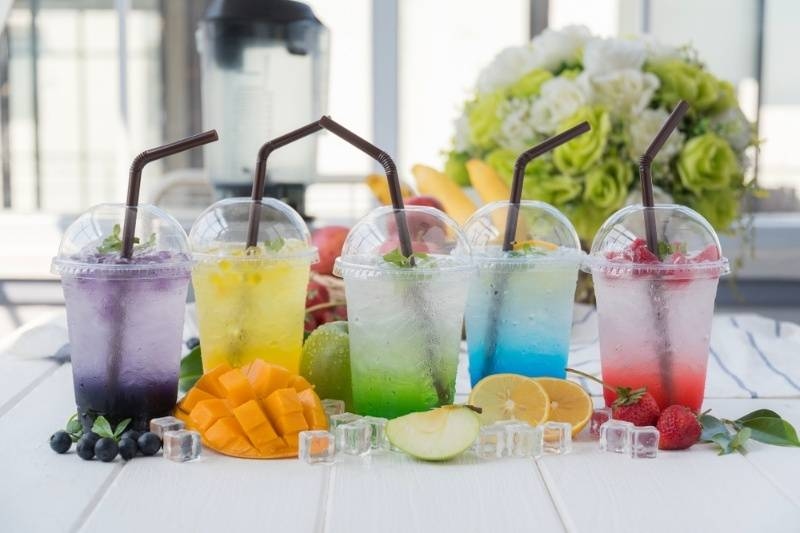
Italy and lemons go hand in hand, especially down south. So it’s no surprise that lemonade is everywhere. The Italian version? Super simple and seriously refreshing—just fresh lemon juice, sparkling water, and a little sugar. Some places throw in a few mint leaves for good measure.
On a hot summer day, nothing beats these citrusy drinks. They’re some of the most popular non-coffee choices at Italian cafés, and they really show off the fresh ingredients everyone loves here. Their light, bright taste means you’ll see them on just about every classic café drinks list.
Orzo is what you order if you want that cozy coffee vibe but without the caffeine. It’s made from roasted barley, so it looks like coffee, but it won’t keep you up at night. You can have it straight or with milk—kind of like an espresso, but gentler.
Families like to give orzo to kids or to anyone who’d rather skip the caffeine. That’s why it’s a staple on non-coffee menus in Italy. Orzo is proof that Italian café beverage culture really is for everyone. There’s always something for every taste and every age.
Italy’s full of local surprises, and that shows up in its café drinks too. Different regions have their own specialties, often made with local herbs, fruits, or spices that speak to the area’s traditions.
Seasons matter, too. In winter, you’ll find richer, thicker Italian hot chocolate—cioccolata calda—while summer menus lean into citrus drinks and fresh juices. These seasonal shifts keep things interesting, and they make exploring Italian cafes a little adventure. Italian café culture isn’t stuck in the past; it changes with the seasons but always keeps that focus on good flavors and real ingredients.
Italian cafés aren’t just about coffee. They’re places where people meet up, unwind, catch up with friends, or just steal a quiet moment from a hectic day. Sure, coffee is always front and center, but there’s a lot more going on behind the counter.
Look at the menu, and you’ll spot all sorts of choices: fresh juices, cozy hot chocolates, herbal teas, and other drinks you might not expect. There’s something for everyone—even if you’re not in the mood for espresso.
What sets these places apart is the simplicity. Most drinks use fresh ingredients and stick to old-school recipes. No fuss, just good flavors that let each ingredient shine. That’s part of the charm. Travelers love poking around Italian cafés to try drinks they won’t find anywhere else. There’s a whole world beyond coffee waiting on those menus.
Sure, Italian cafes are famous for coffee, but there’s so much more to discover. Whether you’re sipping thick hot chocolate or cooling off with lemonade, these non-coffee drinks are a big part of daily life in Italy’s cafés.
It’s about the flavor, sure, but it’s also about slowing down and really soaking in the moment—something Italians just do naturally.
You’ll see cioccolata calda (that’s Italian hot chocolate), herbal teas, fresh juices, lemonade, chinotto, and orzo, which is a barley drink, on most menus.
It’s way thicker than the usual hot chocolate—think real melted chocolate, not just cocoa powder. It’s rich, almost like a dessert in a cup.
Definitely, herbal teas are everywhere. People love them, especially after a meal, either to wind down or just help with digestion.
Yes, plenty. Herbal teas, fruit juices, orzo—there are lots of options if you want to skip the caffeine.
This content was created by AI