

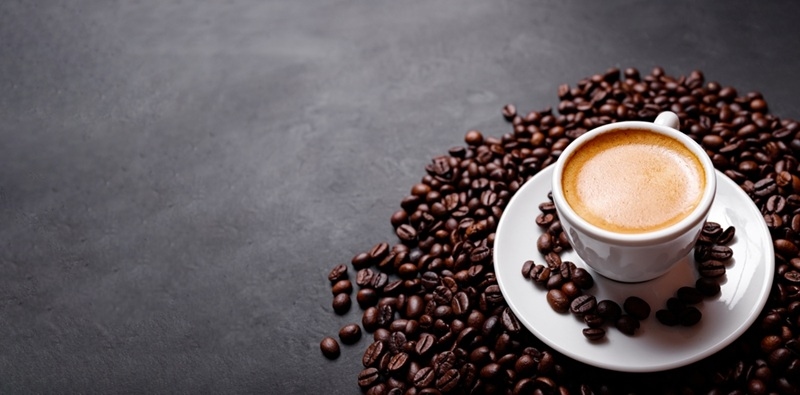
Coffee can make even the surest morning remarkable. A little cup of coffee, a rich smell, and the day is a little clearer. To most Americans who are fond of espresso, the mystery as to why its taste is so rich and balanced can always be traced to a single ingredient, which is the beans. The Italian espresso beans have been adored due to their bold flavor, soft, creamy, and comforting consistency.
The fact is, it is a combination of each of the three. The Italian culture of traditional coffee has decades of experience in the refinement of the process of selecting beans, roasting, and blending. The outcome is an espresso that is aggressive yet warm. This blog takes a stroll through the beans forming the perfect Italian blends, the variations between Arabica and Robusta, and the roasting techniques that bring to the fore those traditionally Italian espresso bean patterns.
Italian espresso beans are known for their strong character and balanced bitterness. Unlike lighter coffee styles popular in many American cafés, Italian espresso aims for depth and richness. That darker profile creates the thick crema and bold body people expect from a true espresso shot.
At their core, Italian espresso beans are not a single variety. They are blends designed with intention. Roasters combine beans from different regions to create a consistent flavor.
You will often notice these characteristics:
Classic brands like Lavazza and Illy have built global reputations by refining these blends. Their goal is simple. Deliver a cup that feels unmistakably Italian every single time.
Single-origin coffee can taste fantastic, but espresso often benefits from blending. Combining beans from Brazil, Central America, and Southeast Asia allows roasters to balance sweetness, body, and bitterness.
Think of it like cooking pasta sauce. One ingredient rarely creates a perfect flavor. But combine a few carefully chosen ones, and suddenly everything works.
When people talk about the best beans for Italian espresso, the discussion almost always turns to Arabica and Robusta. Each bean has a different personality, and the right balance between them shapes the final cup.
Arabica beans are what are referred to as the upscale side of coffee. They are also less acidic and less bitter in flavor and aroma.
In most Italian espresso varieties, Arabica beans offer:
Such beans are typically cultivated at high altitudes in such areas as Colombia, Ethiopia, and Central America. Their taste may be tender in contrast with Robusta, but that grace may compensate for stronger ingredients in the mixture.
There are occasionally bad accusers of robusta, and to be honest, it is significant to the espresso. The Italian roasters have only been using Robusta over the decades, since it adds body and structure.
A low proportion of Robusta supplies:
There are numerous true Arabica vs Robusta espresso mixtures consisting of approximately 70 percent Arabica and 30 percent Robusta. That balance ensures that the espresso will not be overly sharp.
The selection of the most appropriate beans to make Italian espresso is based on the desired taste, the method used to roast beans, and even the equipment to use during the brewing process. Nevertheless, there are some sources that are recurrent in classical blends.
The core part of most blends of espresso in Italy is Brazilian coffee. These beans are chocolate and nutty beans with minimal acidity.
It achieves this binding of stronger flavors of other beans with that smooth body. In its absence, an espresso blend will be either thin or bright.
Guatemalan and Costa Rican beans usually serve soft, fruity sweetness. They make the blend light enough without overshadowing the darker roast.
Beans of Sumatra or Java are some of the traditional blends. The coffees include spicy, endearing tones which are heavy.
Espresso cannot be characterized by beans only. Well, roasting is no less important. The styles of coffee roasting used in Italy are darker and thus acquire intense flavor and decreased acidity.
Most of the traditional Italian roasters halt at a point that is just prior to the darkest stage of roasting. This dark roast is a bit sweet, and it produces a bold flavor that espresso requires.
You will often taste:
This level works especially well in home espresso machines, popular across the United States.
Flavor profiles can sound technical, but they simply describe what you taste and feel in the cup. Espresso bean profiles combine aroma, body, acidity, and finish.
Classic Italian blends often highlight comforting flavors rather than bright fruitiness.
Typical notes include:
These flavors feel warm and familiar. They pair beautifully with milk drinks like cappuccinos or lattes.
Body refers to the weight of the coffee in your mouth. Italian espresso tends to feel thick and syrupy compared to lighter brews.
Crema, that golden foam on top, signals proper extraction and fresh beans. A good blend produces crema that looks rich and lasts several seconds.
Italian espresso beans represent decades of craft, experimentation, and cultural tradition. From carefully balanced Arabica vs Robusta espresso blends to distinct Italian coffee roasting styles, every element contributes to that bold yet comforting cup.
Then next time you are grinding fresh beans and shooting, pull a moment. Get used to the smell, the cream, the stratified tastes. There is a long tradition in that small cup, a tradition which began in Italian cafes, but which lives today in kitchens and coffee bars of the world.
Italian espresso beans typically are darker roasted mixtures that are made to be strong tasting and high crema. They usually mix the Robusta and Arabica beans to have a balance.
Many of the more traditional blends contain a small proportion of Robusta, not everyone, but many. It assists in the creation of crema and gives the espresso substance.
The Italian espresso mostly utilizes medium-dark to dark beans. This is a low-acid roasting method that produces bold flavor.
Yes, you can. The aroma will be more pronounced and intense than the regular drip coffee, yet a lot of individuals like the bold quality.
This content was created by AI