

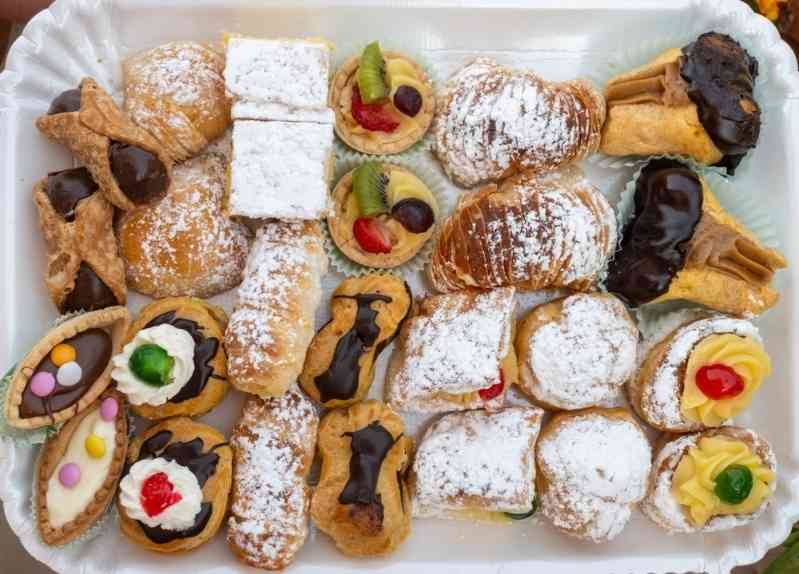
Desserts often carry stories. Some come from royal kitchens, others from family bakeries tucked into narrow streets. Italian desserts are especially rich in history. A spoonful of cream, a bite of pastry, or even a simple dusting of cocoa can trace its roots back hundreds of years. That’s the charm. You are not just tasting sugar and butter. You are tasting tradition.
In Italy, desserts are a product of Italy. Northern Italy is biased towards creamy desserts, whereas southern regions boast of exotic tastes such as ricotta, oranges, and almonds. These recipes were transported on oceans by the immigrants and reached the American tables. Italian desserts are not new in the United States today. You may order a tiramisu on a date or may pick any cannoli at a pastry shop without giving it a second thought.
But every treat has a story. Others are connected with festivals, others with ancient customs, and others are just an attempt of an intelligent baker to make something new. We are going to take a stroll down the list of the most well-known Italian sweets and the tales that accompany them.
Italian desserts are not recipes. They are a level of reflection of history, family tradition, and regional pride. There are desserts that were made centuries ago, and there are ultra-current ones. But they are all part of the general Italian pastry tradition that is appreciated by food lovers nowadays.
Tiramisu may seem immortal, but its history is rather recent. Most historians assume that the dessert was presented in the 1960s in the Veneto area, especially around the city of Treviso. It translates to "pick me up," which becomes easily understandable after trying it. Espresso, chocolate, and mascarpone cream give one a fast shot of flavor and energy.
Legend says the dessert began in a restaurant kitchen where chefs experimented with leftover ingredients. Ladyfingers soaked in coffee, whipped mascarpone, eggs, and cocoa powder. That simple mix became something extraordinary.
Cannoli come from Sicily, and their story is tied to celebration. Traditionally, these crisp pastry tubes were prepared during Carnival season. Over time, the treat became a year-round favorite.
The shell is fried dough, shaped into a tube, and filled with sweet ricotta cream. Often it’s dotted with chocolate chips or candied fruit. Sometimes pistachios appear on the ends, which gives the dessert a bright green touch.
Historians trace cannoli back to the Arab influence in Sicily centuries ago. Almonds, citrus, and ricotta cheese were common ingredients during that time. Bakers blended those flavors into desserts that still define traditional sweets in Italy today.
There is also a cultural ritual tied to cannoli. In many bakeries, the shell and filling stay separate until serving. Why? Because a fresh cannoli must remain crisp. Once filled, the clock starts ticking.
It’s a small detail, but it shows how deeply Italian pastry culture respects texture and timing.
Gelato often gets compared to ice cream, but the two are not identical. Gelato contains less air and usually less fat, which gives it a dense and silky texture. That texture alone has helped it become one of the most famous Italian sweets worldwide.
Its story reaches back to the Renaissance. Some food historians connect early gelato recipes to the court of the Medici family in Florence. Wealthy households experimented with frozen desserts made from snow gathered in the mountains.
Later, chefs refined the technique by blending milk, sugar, and flavorings. The result was smoother and richer than earlier frozen treats.
Today, gelato shops appear everywhere from Rome to New York. Classic flavors remain popular:
The simplicity is part of the charm. A small cup of gelato on a summer evening feels effortless, almost nostalgic.
Italy takes regional food very seriously. Recipes often stay tied to the towns where they began. That’s especially true for desserts. Each region claims its specialties, and locals guard those traditions with pride.
Panettone is a tall, fluffy bread packed with dried fruit and citrus peel. In Italy, it appears during the Christmas season. Families slice it after dinner or enjoy it with morning coffee.
The bread originated in Milan, though the exact story varies. One popular tale tells of a young baker named Toni who created the sweet bread by accident while trying to fix a failed batch of dough. People loved it so much that the bread became known as “Pane di Toni,” which eventually turned into panettone.
Whether the story is accurate or not, the dessert became a holiday staple. Over time, it spread to other countries, including the United States, where grocery stores sell it every winter.
Modern versions include:
Still, the traditional recipe remains the most beloved.
Panna cotta translates to “cooked cream,” though the process is surprisingly simple. Cream, sugar, and gelatin come together to form a silky dessert that holds its shape like a soft custard.
The dish likely originated in the Piedmont region in northern Italy. Early versions may have used fish bones as a natural thickener before gelatin became common. It sounds unusual now, but cooks often worked with what they had.
Today, panna cotta appears in restaurants worldwide. It’s easy to customize with different toppings:
The dessert proves that simple ingredients can create something elegant. No elaborate decoration needed.
Italian desserts have a way of blending flavor with storytelling. Some recipes grew out of necessity. Others appeared during celebrations or royal feasts. Over time, these treats crossed borders and became beloved worldwide.
For many Americans, these sweets now feel like familiar comfort food. A slice of panettone during the holidays, a scoop of gelato on a hot afternoon, or a creamy tiramisu after dinner. Each one connects modern tables to centuries of tradition.
The tiramisu, cannoli, gelato, panna cotta, and panettone are some of the most famous Italian sweets. Every dessert is the product of a particular area of Italy, and it has its legend.
The immigrants of Italy brought along several of the traditional Italian sweets to the American cities. Slowly, restaurants and bakeries also contributed to the fact that these desserts became a part of the common dining culture.
Gelato has lower air and tends to have less fat than ice cream. This makes it smoother and richer tasting.
Many classic Italian dessert recipes use simple ingredients like eggs, sugar, cream, and flour. With a little patience, several of these treats can be prepared easily in a home kitchen.
This content was created by AI