

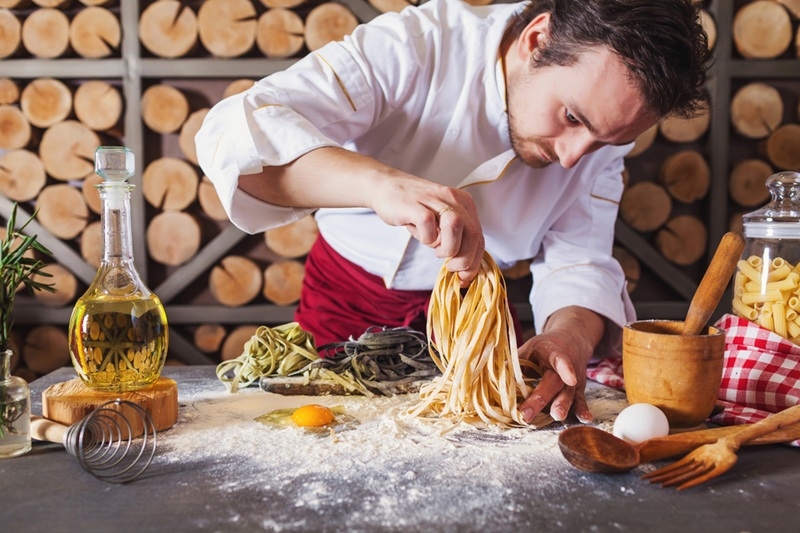
The food of Italy has an aura about it—that it is comforting and nourishing, as well as being based on basic ingredients, all through to its finish. People love it because it’s both classy and easy to dig into. The secret? It’s not just what goes into the food, but how Italians treat those ingredients. Their cooking traditions have been around forever, passed from one kitchen to the next.
If you really want to get why Italian classics taste the way they do, you’ve got to look at their basic cooking techniques. Let’s break down the most essential ones and throw in some tips straight from Italian kitchens, so you can bring more of that real-deal flavor home.
Here are some of the best Italian Cooking techniques that every food lover should know:
Sautéing is everywhere in Italian cooking. It’s fast—just a splash of olive oil in a pan, medium heat, and you’re off. Garlic, onions, maybe some veggies—they all hit the pan first. The smell alone tells you something good’s coming. This step lays down the base for sauces, soups, and pretty much any pasta you can think of.
It’s simple, but it matters. Take your time, don’t burn anything, and you’ll get a deep, layered flavor that feels like home. Master this, and you’re halfway to real Italian cooking.
If you want rich sauces, slow down. Italian cooks know better than to hurry a tomato sauce or a rich ragù. They take their time, letting everything bubble away for as long as it takes. The trick is patience. Flavors combine, deepen, and ultimately become part of a finished dish that is comfort food.
Simmering is not only a technique but also a state of mind. You let ingredients hang out together until they’re more than the sum of their parts. It’s the reason Italian stews and sauces taste so good.
Here’s a small thing that makes a big difference: Italians never just dump sauce onto pasta. Once the pasta’s cooked, it goes straight into the pan with the sauce. Everything gets tossed together, coating each piece evenly. This way, the pasta actually soaks up the flavor instead of just sitting under a puddle of sauce.
Chefs swear by this. It’s a little detail, but it turns a basic bowl of noodles into something special.
Herbs are huge in Italian food, but timing is everything. Fresh basil or parsley? Add them at the end so they keep their punch. Dried herbs? Those go in earlier, so their flavors can seep in as everything cooks. Get this balance right, and your dishes will pop—just like they do in Italy.
This isn’t just a trick. Italian cooking really comes down to one thing: respect for the ingredients. You keep it simple, let the flavors shine, and trust the old methods that have worked for generations. It’s all about good ingredients, a few honest techniques, and that little bit of love you taste in every bite.
Italians have a knack for knowing exactly when to add a drizzle of olive oil at the end. It’s not just tradition—it brings everything together, adds depth, and makes you want another bite. It’s such a small thing, but it brings everything together in the best way. You don’t just use it for frying or sautéing—right at the end, a quick drizzle transforms everything. Suddenly, your pasta, soup, or grilled veggies burst with aroma and get this silky texture that feels unmistakably Italian.
It’s a small move, but it says a lot about how Italians cook. They want you to taste the ingredients, not cover them up. That’s why so many recipes call for the best olive oil you can find. Whether you’re in a family kitchen or a restaurant, you’ll spot that bottle of golden oil waiting for the final touch.
Now let’s talk about grilling. Italians love it—especially for veggies, seafood, and all kinds of meat. The point isn’t to complicate things. Instead, you get that smoky char while keeping the real flavor front and center.
Think of zucchini, eggplant, and peppers. You see them everywhere, simply grilled, tossed with olive oil and herbs, maybe a bit of salt. It’s rustic, honest food, and it’s been part of Italian life for generations. Plus, grilling is pretty easy to pick up. You don’t need a ton of prep or fancy gear—just fresh ingredients and a hot grill.
The oven also gets a lot of love in Italy. Classics like lasagna, baked pasta, and focaccia all come out bubbling and golden. Baking lets the flavors really come together—cheese melts, sauces thicken, everything gets cozy.
These baked dishes are pure comfort and remind people of big family meals. A lot of the recipes stick to old-school methods, so when you bake these classics, you’re keeping Italian tradition alive in your own kitchen.
At the heart of it all, Italian cooking basics include respect—especially for ingredients. Italian chefs do not obscure flavors with heavy sauces or use a large number of complicated steps. They allow great quality tomatoes, herbs, and cheeses to be appreciated on their own.
That’s the secret. Use good ingredients, don’t fuss too much, and let each part of the dish have its moment. If you want to cook like an Italian, start there. It’s the best advice you can get. By sticking to these ideas, you get a real taste of what makes Italian food so loved around the world.
Italian cooking basics are all about keeping things straightforward. You won’t find a lot of fancy tricks or heavy sauces. Instead, it’s fresh ingredients, handled with care. A lot of classic cooking comes together with just a handful of things—think pasta with olive oil, garlic, tomatoes, and a few herbs. Sounds basic, but when you treat those ingredients right, the flavors explode.
That love for simplicity runs deep in Italian families. Recipes aren’t just instructions—they’re stories, handed down generation after generation. If you pick up these basics, you start to see how every dish connects back to Italy’s food philosophy.
Italian food wins people over because it’s simple, fresh, and full of heart. The more you learn about these classic techniques, the more you see why this cuisine has lasted for centuries. Try them out at home—drizzle that olive oil, grill some veggies, bake a bubbling pasta dish—and you’ll bring a bit of Italy right into your kitchen.
You’ll see a lot of sautéing, slow-simmering sauces, grilling veggies and meats, baking dishes like lasagna, and tossing pasta with sauce.
They keep authentic flavors and old-school traditions alive—these are recipes passed down through families for generations.
Learn how to sauté garlic and onions until they smell amazing, cook pasta so it’s just the right amount of firm, let sauces simmer, and use fresh herbs whenever you can.
Use the freshest ingredients possible, give yourself ample time for preparation and cooking, and keep the flavours basic. Avoid doing everything at once and concentrate on cooking with classic recipes that are very familiar—this will give you authenticity.
This content was created by AI