

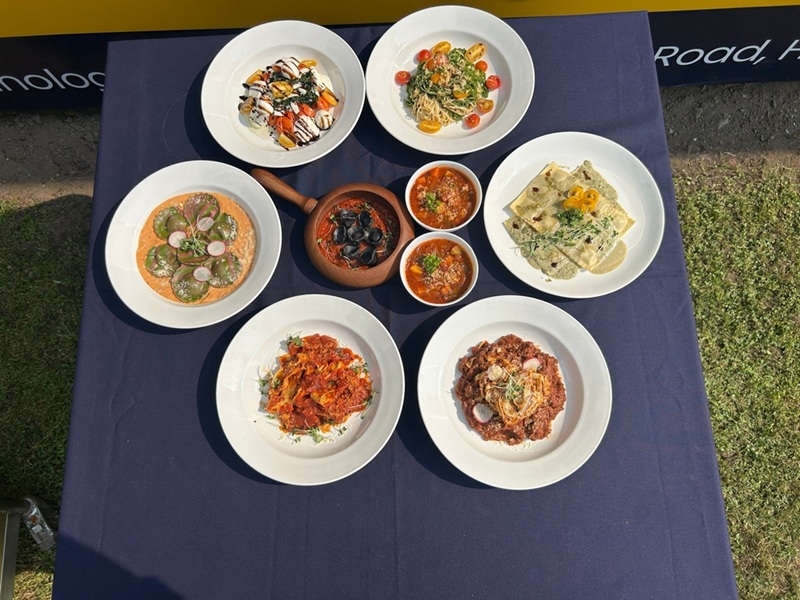
Italian food has a way of feeling familiar even when you have never set foot in Italy. Walk into almost any neighborhood restaurant in the United States, and you will probably see pasta, pizza, maybe a creamy risotto or two. But here is the thing, many people do not realize. Those dishes come from very different parts of the country. Italy is not just one style of cooking. It is a collection of traditions shaped by geography, climate, and centuries of local culture.
Let’s take a closer look at how Italian regional cuisines evolved to understand why the food preferences of the north and south of Italy are so different, and the abundance of diversity of Italian food has demonstrated the diversity that Italian culinary people all over the world now adore.
Italian regional cuisine does not only entail recipes. It demonstrates the past, climatology, and even the trade routes that civilization formed the communities of generations. People lose the magic when they refer to Italian food as one music.
Here’s the thing. Italy was once a collection of independent regions and kingdoms. Each area relied on local farms, nearby seas, and seasonal harvests. Over time, these influences formed distinct styles of regional cooking in Italy that still exist today.
Italy’s geography plays a huge role in shaping the traditional Italian dishes that regions are known for. Mountains, coastlines, farmland, and islands all influence what people cook.
For example:
The results show up directly on the plate. Northern recipes often include butter, cream, and rich cheeses. Southern dishes lean toward olive oil, fresh vegetables, and seafood.
One of the most noticeable contrasts in Italian culinary diversity is the divide between northern and southern Italian food.
Northern Italy tends to favor:
Southern Italy, on the other hand, often features:
Neither style is better. They simply reflect what grows locally and what people historically had access to. And when you taste both styles side by side, the difference is clear.
Northern Italy sits close to the Alps, and the cooler climate shapes the food traditions of Italian regions in this area. Winters can be cold, so meals often feel hearty and comforting.
Cream, butter, cheese, and slow-cooked meats appear often in northern kitchens. The flavors are rich but balanced, and dishes feel almost cozy.
Such areas as Lombardy or Piedmont have such dishes that tend towards dairy. Butter cooking prevails here, and this is quite surprising when many Americans equate Italian food with olive oil.
Classic examples include:
These meals feel warm and satisfying. Imagine a bowl of risotto on a snowy evening. It just fits the setting.
Rice plays a major role in northern kitchens. Fields in the Po Valley produce much of Italy’s rice crop, which explains why risotto became a regional staple.
Risotto might look simple at first glance, but it requires patience. The rice slowly absorbs broth while releasing starch, creating that signature creamy texture. Butter and cheese often finish the dish, adding depth.
As you move toward central Italy, the cooking style shifts again. Here, the focus turns toward simplicity. Fewer ingredients, stronger flavors, and plenty of rustic charm.
Tuscany is famous for simple yet deeply satisfying food. Bread, beans, olive oil, and grilled meats dominate the menu.
One reason for this style comes from history. Tuscan bread traditionally contains no salt. So cooks rely on flavorful olive oil, herbs, and meats to bring balance to dishes.
Some well-known examples include:
These dishes are homespun and considerate. Nothing special, but somehow memorable.
The city of Rome, which is in central Italy, puts the culture of pasta in perspective. Roman kitchens emphasize a few ingredients that are wizardly employed.
Well-known Roman pasta recipes are:
Notice something interesting? Each dish relies on only a few ingredients. That simplicity defines many traditional Italian dishes, which regions in central Italy proudly maintain.
Travel farther south, and the energy changes. Southern Italian food bursts with color, brightness, and bold flavor.
Warm weather means abundant tomatoes, olives, eggplant, and seafood. Olive oil replaces butter almost entirely. Meals feel lighter, yet still deeply satisfying.
Naples gave the world pizza. And yes, the version you find there looks very different from most American slices.
Traditional Neapolitan pizza uses:
That’s it. Simple ingredients, intense flavor.
Sicily adds another layer to Italian culinary diversity. Because of its location in the Mediterranean, the island experienced influences from Arab, Spanish, and Greek cultures.
You might find:
The mix of sweet and savory surprises people at first. But once you try it, the flavor combinations make perfect sense.
The cuisine of the region of Italy is the cuisine of place, culture, and history. Each and every region has its regional tastes, ingredients, and cooking customs. Between the silvery smooth tones of northern risotto and vibrant southern tomato, there is a sharp contrast, but it is so beautifully woven together.
These regional variations can be understood to uncover the reason why Italian food seems to be ever-interesting. This might be a small nation that does not even compare with the United States, but the gastronomical traditions in each region are radically different.
Regional Italian food is a concept that is used to describe the cooking styles of various regions of Italy. Regions have local ingredients and traditions that make their distinctive dishes.
Climate and agriculture explain most differences. Northern regions rely more on butter and rice, while southern areas use olive oil, tomatoes, and seafood.
Differences can be explained by climate and agriculture. The north is also more dependent on butter and rice, whereas the south is dependent on olive oil, tomatoes, and seafood.
Italian food diversity demonstrates the impact of culture, geography, and history on food. It also preserves native traditions in the regions, as well as shaping worldwide cuisine.
This content was created by AI