

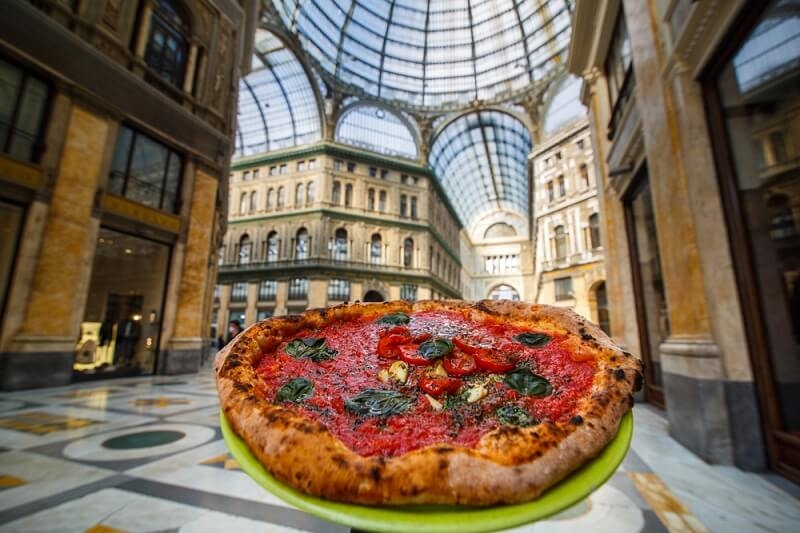
Many people love eating pizza but do not know its deep roots or how it began in the streets of Italy. The origins of pizza in Italy are a story of poor people making something amazing from simple dough and tomatoes. To understand the authentic Neapolitan pizza style, one must look at the busy docks of Naples hundreds of years ago. It was fast food for workers who needed energy to carry heavy boxes all day.
The story begins in the 1700s when Naples was a very crowded city near the sea. People needed cheap food that tasted good and filled their bellies quickly. Flatbreads with oil or garlic were common, but then something special happened when tomatoes arrived from the Americas. At first, many thought tomatoes were poisonous, but the brave people of Naples put them on dough anyway. This choice created the meal we all recognize today in our favorite shops.
Here is the thing about the most famous pizza in the world. In 1889, King Umberto I and Queen Margherita visited the city. A local baker, Raffaele Esposito, made three types of pizza for them. The Queen loved the one with red tomatoes, white mozzarella cheese, and green basil because it looked like the Italian flag. This really means that a simple street snack became a royal favorite overnight.
Making a traditional Naples pizza recipe is not just about the ingredients but also about how you treat the dough. You cannot use a rolling pin because it kills the air bubbles inside the crust. The dough must be soft and stretched by hand until it is thin in the middle. Here is a list of what a real recipe needs to follow the old ways perfectly:
Let's break it down on the heat side. A home kitchen oven usually reaches 500 degrees, but a real Naples oven hits 900 degrees. The pizza only stays inside for about 60 to 90 seconds. This high heat creates the charred black spots on the crust that experts call leopard spotting. Without that high heat, it is just a regular flatbread and not a true masterpiece.
The authentic Neapolitan pizza style is so important that there is actually a group called the AVPN that protects it. They make sure restaurants follow the rules so the quality stays high. A real pizza should be soft and foldable like a wallet. If the crust is crunchy like a cracker, then it is not following the classic Italian pizza traditions from the south. It should feel light in your stomach even after you eat a whole one by yourself.
Looking at the origins of pizza in Italy shows us that food is about more than just eating. It is about the families who passed down these skills for generations. In Naples, being a pizza maker is a very respected job called a "pizzaiolo." These workers study for years to learn the balance of salt and water. This is why Neapolitan pizza history is still taught in schools in the city today.
Even though the world changes fast, classic Italian pizza traditions stay the same in the heart of the city. You can still walk down a narrow alley and buy a pizza folded in paper for a few coins. This is called pizza a portafoglio. It shows that the Naples food culture values the past just as much as the present. People stand on the sidewalk, eat together, and talk about their day.
In Naples, food is a way to show love. The Naples food culture revolves around the idea of slow food. Even though the pizza cooks fast, the dough takes a whole day to prepare. This patience is what makes the flavor so much deeper than frozen pizza. When you visit, you see that every street corner has a different smell of wood smoke and baking bread.
The journey of pizza from the streets of Naples to the whole world is a beautiful tale. By keeping the old rules alive, we protect a delicious piece of human history. Grab a slice of a well-made pie and taste the tradition for yourself at a local pizzeria.
A true pizza from Naples must use specific ingredients, such as "00" flour and San Marzano tomatoes. It must be baked in a very hot wood-fired oven for less than two minutes. The crust should be soft and puffy, not hard or crunchy.
The high heat and the fresh ingredients, like buffalo mozzarella, release moisture quickly. This creates a delicious sauce in the center. It is a sign of freshness and is meant to be eaten that way, often with a fork.
There are two main traditional styles. The Margherita has tomato, mozzarella, and basil. The marinara is even older and has only tomato, garlic, oregano, and oil. Both are considered the gold standard in Naples.
It is hard because home ovens do not get hot enough. You can use a pizza stone or a steel to help, but it will not have the same charred spots as a wood-fired version. It will still taste good, though!
This content was created by AI