

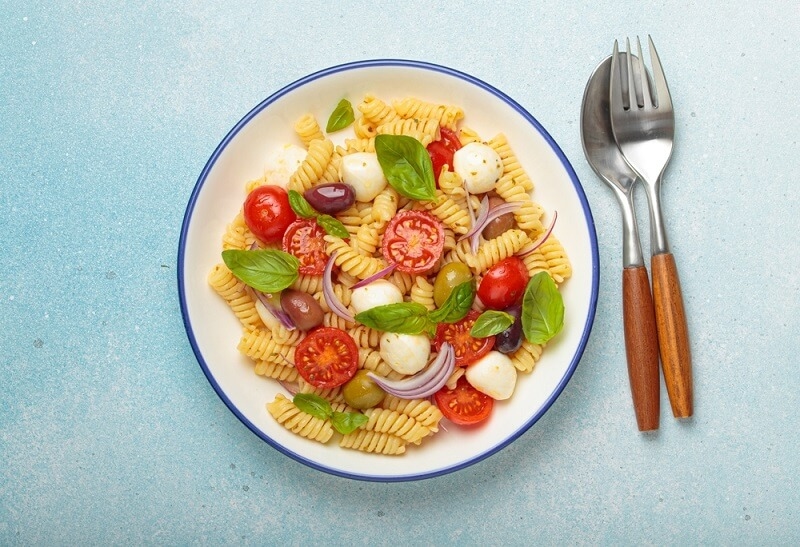
Eating dinner in Italy feels like a big hug from a grandma who loves to cook. To truly understand the meal, a person needs an Italian pasta varieties list showing how many options there are. There are over 300 types of dough shapes found across the country. Most people know only a few, but the regional pasta shapes Italy offers are much more exciting than just spaghetti. By looking at the origins of pasta in Italy and the history of wheat, we see why each town has its own special noodle.
Italy is a long country with mountains and the sea. Because of this, the food changes every few miles. Italian pasta varieties are usually split into two big groups. One group is dried pasta made from water and hard wheat flour. The other group is fresh pasta made with eggs and soft flour. Fresh pasta is very common in the north, where it is colder. Dried pasta is the king of the south because the hot sun helps the noodles dry out, so they last a long time in the pantry.
Here is why a noodle looks like a bow tie or a shell. It is not just to look pretty on the plate. The shape has a role in the sauce. A thin noodle like capellini is for light oil or thin tomato sauce. Big tube-like rigatoni is for heavy meat sauce because the chunks of meat get trapped inside the tube. What this really means is that if you pick the wrong shape, your sauce will just slide off and stay at the bottom of the bowl.
When using a traditional pasta dish guide, you notice that certain pairings never change. In Rome, there are four famous dishes everyone loves. These are Carbonara, Gricia, Amatriciana, and Cacio e Pepe. They all use similar ingredients like sheep cheese and black pepper. However, the way the cook mixes them makes them taste very different. A traditional pasta dish guide says you should never put cream in carbonara because the eggs make it creamy enough on their own.
Each region of Italy is proud of the regional pasta shapes it has created over the centuries. In the north, you find stuffed pockets, like tortellini. They say a goddess inspired the shape. In the south, you see more shapes made by hand without any fancy tools. For example, Fusilli was originally made by wrapping dough around a knitting needle. Regional pasta shapes in Italy are basically edible history lessons that tell you what tools and ingredients people had in their kitchens long ago.
Many people think Marco Polo brought pasta from China, but that is a myth. The origins of pasta actually go back to the Romans and, even earlier, to the Etruscans. They were making flat sheets of dough and baking them long before anyone went to Asia. Pasta's origins in Italy show that it was a food for everyone, from rich kings to poor farmers. It was easy to make and kept well for a long time, making it the perfect food for sailors on ships.
Let's break it down for a second. Pasta did not always have red sauce. For a very long time, people ate it with honey, cinnamon, or just cheese. Tomatoes did not arrive in Italy until the 1500s. It took another two hundred years before someone thought to put them on noodles. Once they did, it changed Italian pasta culture forever. Now, we cannot imagine a bowl of noodles without that bright red color.
If you look in your cupboard, you probably have some classic Italian pasta types right now. Most families keep Penne or Fusilli because they are easy to cook. But there are many classic Italian pasta dishes worth trying for a change. Ziti is great for baking in the oven with lots of cheese. Bucatini is like spaghetti, but it has a tiny hole running through the middle like a straw. This hole lets the sauce seep into the noodles, making every bite extra juicy and flavorful.
The Italian pasta culture is about more than just fuel for the body. It is a time for the family to sit down and talk. In many homes, Sunday is the day for making "pasta fatta in casa," which means homemade pasta. Children help their parents roll the dough on the big kitchen table. This Italian pasta culture teaches kids patience and respect for ingredients. It is a tradition that keeps the family close even as the world changes around them.
With so many Italian pasta varieties to choose from, you can eat a different meal every day of the year. Whether you like the classic Italian pasta types or want to find rare regional pasta shapes Italy produces, there is always something new to taste. Understanding the traditional pasta dishes guide makes you a better home cook. It also makes ordering at a fancy restaurant easier.
Exploring the world of Italian noodles is a tasty adventure for anyone. From the old stories of history to the warm kitchens of today, these traditions are very special. Pick up a new box of fun shapes and try a classic recipe tonight to bring a taste of Italy home.
Al dente means "to the tooth" in Italian. It describes pasta that is cooked just enough to be soft but still has a slight firm bite. This is the best way to eat it because it helps you digest the starch better and tastes much nicer.
The different shapes were made to hold specific types of sauces. Rough or hollow shapes are for thick sauces with meat or vegetables. Smooth and long shapes are for light sauces made of oil, butter, or simple tomato juice.
Neither one is better; they are just different. Fresh pasta is soft and delicate, making it ideal for cream or butter sauces. Dried pasta is stronger and has a better texture for spicy or heavy sauces. Each has its own place on the table.
Most Italians love cheese, but they have one big rule. You should rarely put cheese on pasta with fish or seafood. They believe the strong cheese flavor ruins the delicate taste of the sea.
This content was created by AI