

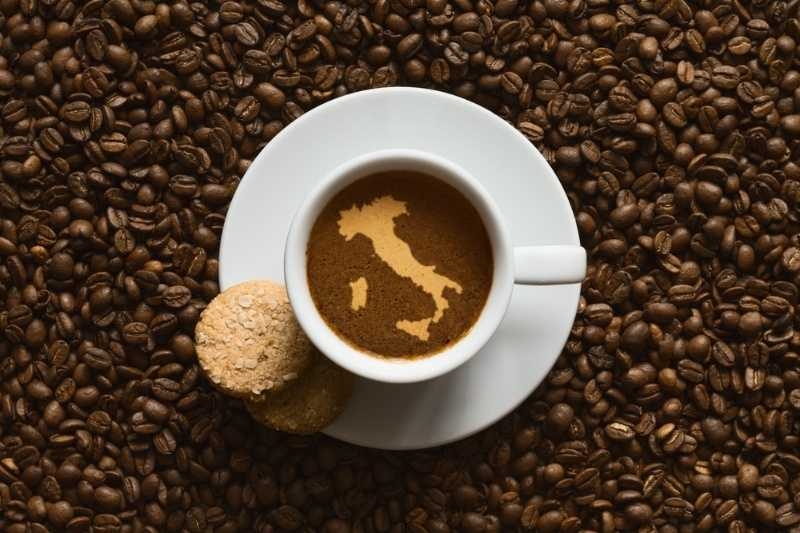
Walk through any Italian city, and something small but powerful catches your attention. People pause. They gather around café counters. Tiny cups of espresso appear like clockwork. The scene repeats itself from morning to night.
This rhythm is more than a caffeine habit. It is part of everyday life. The idea of café culture in Italy travel shows how coffee traditions shape the pace of Italian cities, influence social habits, and create welcoming spaces for locals and visitors alike.
Travelers often arrive expecting landmarks and museums. Sure, those are impressive. But the real personality of cities like Rome, Milan, Florence, and Bologna often lives inside neighborhood cafés. Here, conversations flow, friendships form, and routines unfold over a simple cup of coffee.
This article looks at how the coffee lifestyle in Italian cities influences daily routines, why Italian city café traditions remain strong, and how travelers can experience coffee tourism in Italy through authentic local café experiences. Along the way, we will also share a practical café culture travel guide so you can enjoy Italian coffee life like a local.
Across Italy, cafés act almost like tiny living rooms for the city. People step in briefly, exchange greetings, sip espresso, and then head back into the flow of daily life. It is quick, social, and surprisingly meaningful.
This simple routine forms the backbone of café culture in Italy, giving visitors a window into how Italian cities breathe and move.
Morning coffee in Italy happens fast. Most locals walk into a café, order an espresso at the bar, drink it in a few sips, and leave within minutes.
For travelers used to long coffee shop stays, this may feel unusual at first. But there is a charm to it.
The ritual usually looks like this:
The entire experience might take three minutes. Yet it feels oddly satisfying. You get your caffeine, exchange a smile, and continue your day.
Italian cafés also serve as informal meeting spots.
Friends catch up before work. Retirees read newspapers. Shop owners stop by between customers. These small interactions give cafés a social energy that feels authentic.
Think of them as tiny community hubs scattered across every street. Travelers quickly notice something special. People are not staring at laptops or rushing away with giant takeaway cups. They are talking.
That simple difference explains why local café experiences often become one of the most memorable parts of visiting Italy.
Italian coffee culture did not appear overnight. These traditions stretch back centuries and have evolved alongside the cities themselves.
Understanding those roots makes the experience even richer.
Many famous cafés in cities like Venice, Florence, and Turin date back hundreds of years. Writers, artists, and philosophers once gathered there to debate ideas.
Even today, historic cafés still preserve that atmosphere. Marble counters, polished espresso machines, and the hum of conversation create a timeless setting.
These places helped shape Italian city café traditions by turning coffee into a cultural ritual rather than a simple beverage.
The legacy continues through:
For travelers, visiting these cafés feels like stepping into living history.
One detail surprises many visitors. Italians often stand while drinking coffee.
Why?
Because coffee here is meant to be quick and energizing, sitting down usually costs more, especially in busy tourist areas.
Standing at the bar keeps the experience social and efficient. People chat briefly with the barista or other customers before heading out.
Italian cities operate on a rhythm that balances activity and pause. Coffee breaks help maintain that balance.
You might say coffee is the punctuation mark of the day.
Late morning often brings another espresso break. Office workers step out for a quick coffee. Shop owners close for a few minutes.
These short pauses keep energy levels steady and give people a moment to reset.
The midday coffee stop usually includes:
It is not long, yet it refreshes the mind. Think of it like hitting a reset button halfway through the day.
Evenings tell a slightly different story.
After work, cafés become social spaces again. People meet friends, enjoy pastries, or sip coffee while discussing daily life.
Sometimes the atmosphere shifts toward aperitivo culture. Coffee may share the spotlight with sparkling drinks or small snacks.
Still, cafés remain central to community life. The familiar barista, the regular customers, the comfortable rhythm. It all reinforces the idea that cafés are woven deeply into urban living.
For many travelers, Italian coffee culture becomes an unexpected highlight.
Yes, the architecture is stunning. The food is unforgettable. But the café experience feels personal in a way guidebooks rarely explain.
Not every café offers the same experience. The most memorable spots are often small neighborhood places rather than famous tourist cafés.
Look for signs of everyday local life:
These details signal authentic local café experiences.
Travelers who slow down and observe these moments often feel more connected to the city itself.
Coffee tourism in Italy works because cafés provide a natural entry point into daily life.
You do not need special plans or reservations. Just walk in, order a coffee, and watch the rhythm of the city unfold.
You might overhear animated conversations. See neighbors greeting each other. Notice the quiet efficiency of the barista preparing drinks.
Italian cities are famous for art, architecture, and cuisine. Yet the everyday magic often happens inside cafés.
Through café culture and Italian travel, visitors see how coffee connects people, shapes routines, and creates shared spaces within busy urban environments. Morning espresso rituals, midday coffee pauses, and evening gatherings all reveal a lifestyle built around conversation and community.
Coffee lifestyle in Italy cities is not about rushing through a drink. It is about pausing just long enough to enjoy a moment. That pause, small as it may seem, reflects something larger about Italian life.
Italian cafés focus on quick social interactions rather than long stays. This creates lively spaces where locals gather briefly throughout the day.
Yes. Many travelers enjoy visiting local cafés to experience authentic Italian city life and traditional espresso culture.
Standing at the bar, drinking espresso quickly, and chatting with baristas are classic traditions found in cafés across Italy.
Visit neighborhood cafés, observe local habits, and keep orders simple. These small steps make the experience more authentic.
This content was created by AI