

Italy just pulls you in. It’s packed with history, gorgeous cities, and architecture that makes you stop and stare. People come for the food and the vibe, sure, but mostly, they want to see Italy's famous landmarks—the places that have seen centuries of art, drama, and tradition up close.
If you’re thinking about a trip, this blog covers some of the country’s must-see iconic travel sites in Italy. These aren’t just famous buildings—they’re the heart and soul of Italian culture, and honestly, you can’t visit Italy without seeing at least a few of them.
Let's take a closer look at some of Italy's most well-known locations and symbols of culture.
When Italy is mentioned, the first image that comes to people's minds in the Colosseum has to be projected. This massive structure was created around 2000 years ago and was originally a venue for entertaining Romans with gladiatorial combat.
Today, visitors from around the globe flock to the Colosseum each year to satisfy their desire to visit this architectural marvel and add it to their list of things to see in this beautiful country.
The Colosseum is more than a relic; it is a treasure trove of history that Italy has protected for thousands of years.
Everyone knows the Leaning Tower. People flock from all over just to see that famous tilt (and yes, to take that classic “holding up the tower” photo).
Originally, it was just meant to be a bell tower for the cathedral, but thanks to some wobbly ground, it started leaning while workers were still building it. Instead of tearing it down, Pisa embraced it—and now it’s the city’s signature.
Today, it’s one of the most recognizable sights in Tuscany. It’s hard to visit the region and not stop by for a look (and a few photos).
Vatican City might be tiny, but it’s huge when it comes to history and culture. It’s packed with treasures: St. Peter’s Basilica, the Vatican Museums, and the Sistine Chapel. Some of the greatest art and architecture on the planet live here. If you’re chasing Italy’s legendary landmarks, the Vatican is non-negotiable.
The place isn’t just for pilgrims or art buffs—it’s a must for anyone who wants to stand in the middle of history and feel it all around them.
Florence is overflowing with museums, galleries, and old buildings from that era—every corner feels like a piece of art history. The Florence Cathedral (or just “the Duomo”) is the star. Its huge dome defines the city’s skyline and draws visitors from everywhere.
But there’s more: Florence is dotted with places tied to famous artists and architects. Anyone who loves art or history ends up falling for this city—no surprise, since it’s such a vital stop on any Italian adventure.
Venice is like nowhere else. The entire Venice floats on canals, providing an enchanting and romantic ambiance unmatched anywhere else. The Grand Canal is the largest boat-filled canal and provides visitors with the ability to travel by gondolas and/or boats to ancient palaces located directly on the water's edge.
If you are making your first visit to Venice, you will surely fall in love with its history, character, and ageless beauty – a true Italian gem!
The Amalfi Coast almost feels like something out of a dream. Steep cliffs, bright blue water, and towns that look like they were painted by hand—no wonder people can’t stay away. Down in southern Italy, this stretch of coastline pulls in visitors year after year. There’s more to it than just the views, too. In every little village, you’ll stumble across ancient churches and cultural spots that remind you just how much history soaks into the stones here.
Most travelers make a beeline for places like Positano and Amalfi. Those towns are famous for a reason—they’re postcard-perfect and instantly recognizable. Each one has its own personality, but together, they make the Amalfi Coast feel like a living museum.
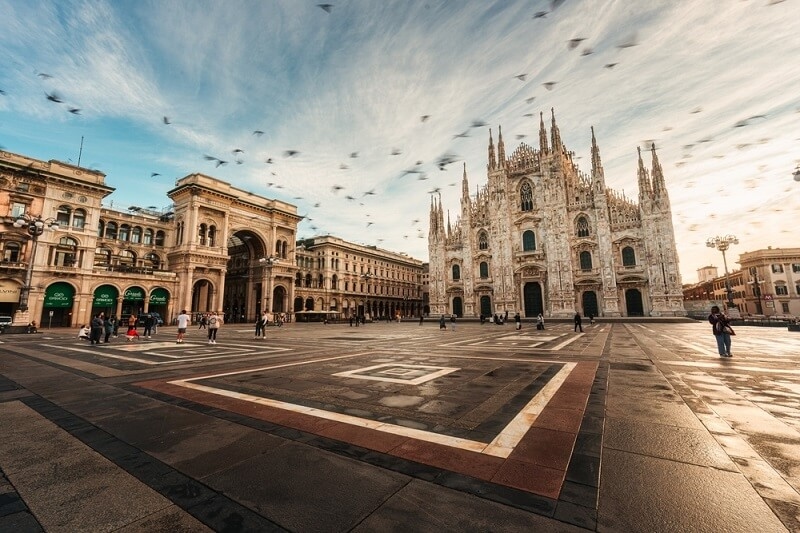
Then there’s Milan Cathedral, or the Duomo di Milano. If you’ve ever seen a photo of Italy, odds are this massive, intricate church was in it. The Gothic spires reach for the sky, and standing in front of them, you can’t help but feel a little awed. You can wander inside and just take it all in, or climb up to the roof for a view across the city that’s honestly hard to beat. The piazza around it is always buzzing—a great spot to people-watch or just soak up the city vibe.
It’s not just a pretty face, either. The Duomo is one of Italy’s most beloved landmarks, packed with stories and artistry from centuries past. You’ll find it in the historic places in Italy guide for a reason.
Pompeii is almost unbelievable, even when you’re standing right there. The whole city froze in time when Mount Vesuvius exploded in 79 AD, covering everything in ash. Now you can walk through the old streets, peek into houses, and imagine what life was like back when the Roman Empire ruled.
There’s nothing quite like it—Pompeii isn’t just a highlight for history buffs; it’s one of the cultural landmarks in Italy. It always makes the must-see lists, and once you’ve been, you understand why.
In Rome, the Roman Forum is where everything happened: politics, business, gossip, you name it. Today, you can wander among the ruins of ancient temples and government buildings, trying to picture the crowds that once filled these spaces. It’s one of those places that really brings history to life.
A visit to the Forum offers a powerful reminder of just how much influence the Romans had on the world we live in today. The Forum is a great representation of Italy's rich history and culture.
Every year, millions of tourists flock to see iconic travel sites in Italy, all the famous beauties. What is so interesting about these landmarks? Simply put, they tell the story of Italy from its past—whether it's through ruins, Renaissance art, or medieval towns—and give insight into how Italy has affected the rest of the world.
The reason every traveller who goes to Italy should make sure they take time out of their schedule for visiting these places is that they are at the core of every Italian holiday experience.
Every corner of Italy holds a story. Whether you’re wandering through the Colosseum, gliding along Venice’s canals, or exploring the ghostly streets of Pompeii, you’re living a piece of history.
This guide just scratches the surface, but it points you to the places that matter most. Seeing these landmarks for yourself? That’s what makes sightseeing in Italy unforgettable.
Italy's most famous landmarks include the Colosseum, the Leaning Tower of Pisa, Florence Cathedral, Milan Cathedral, and the ruins of Pompeii, among others.
Cultural landmarks in Italy cannot be equated with simple edifices; they are essentially charting the history, the artistic and architectural accomplishments of Italy; further, they serve as a medium for visitors to interact with the Italian culture.
Rome, Florence, Venice, Milan, and Naples, all these cities are full of sights and also offer a good insight into the past and current ways of life in Italy.
Many of these places are incredibly well preserved. From ancient Roman ruins to Renaissance masterpieces and stunning old architecture, they give travelers a direct line to the past and the beauty that keeps people coming back.
This content was created by AI